Jessica Kim, (jessica.kim@csun.edu, Assistant Professor of History, CSUN)
Empire, California, and the Mexican Revolution: 1880s-1930s (californiamexico.weebly.com)
- Letter from WC Dunn to the Quimichis Colony, Nov. 8, 1915: CA ranchers living in Mexico, feeling frustration that the US isn't supporting them in the lawlessness occurring on their properties. 1910: a group of Pasadena investors, spearheaded by Thomas Bard purchase 100,000 acres of ranch land along the coast in the state of Nayarit, Mexico. (Bard founded the town of Oxnard, Occidental College, & Union Oil; purchased Spanish land grants from Californios... there's an oil museum to visit in Santa Paula) They believed Mexican investment would make them globally important. Herman Reamer, a Pasadena dentist, purchased 500 shares of the ranch. Group wants to develop corn and sugar. Beforehand, rural villages would communally hold land. At this time, large investors bought up rural land including homes of ranchers in the area; these farmers earn back the rights to their land as they work, farming the are around them. Rancho was successful the 1st 2 years.
- Edward Doheny controlled 50% of the petroleum industry in Mexico.
- 1910: The Mexican revolution breaks out due to the widening gap between the rich and the poor. Economic inequality, American investment (12 families--American and Mexican--owned 80% of all private land in Mexico), and political reform (Diaz was Mexico's president for 30 years) all contributed to the revolution. Rural farmers were fed up with landowners. It was a civil war fought with guerrilla tactics.
- With more background, we have a deeper perspective on all the parties involved, and less sympathy for the letter's author, expecting American justice in a land that's seen injustice for generations, especially since he's perpetuating that injustice.
- Thoughts: Consider presenting this letter as a "persuasive letter" for students to dissect. Also a great tie in to the early colonists and the cause of the American revolution, and a discussion of indentured servitude. Raul thought it was worthwhile to read this source cold, give the background, then reread for more understanding and a fresh perspective. Joshua shared that he saw the benefits of starting a topic with a highly engaging letter or article from a period newspaper to grab students' interest.
Raul: A great primary source exercise: students bring in menus, placemats, photos, etc., and label with numbers. The class next door does the same; students swap classrooms and try to guess who went where.
More notes from Raul
Raul's mission images:
- San Carlos Borromeo: Serra was buried here; remember painting with ruins of SCB.
- La Purisima: sells soap made from tallow. Great primary source to pass around class. "Making tallow" image: ask students to imagine what they would hear, smell, etc.
Gold Rush:
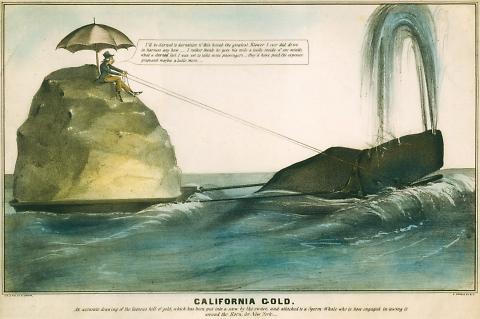
- Whale hauling nugget: great for discussing political cartoons.
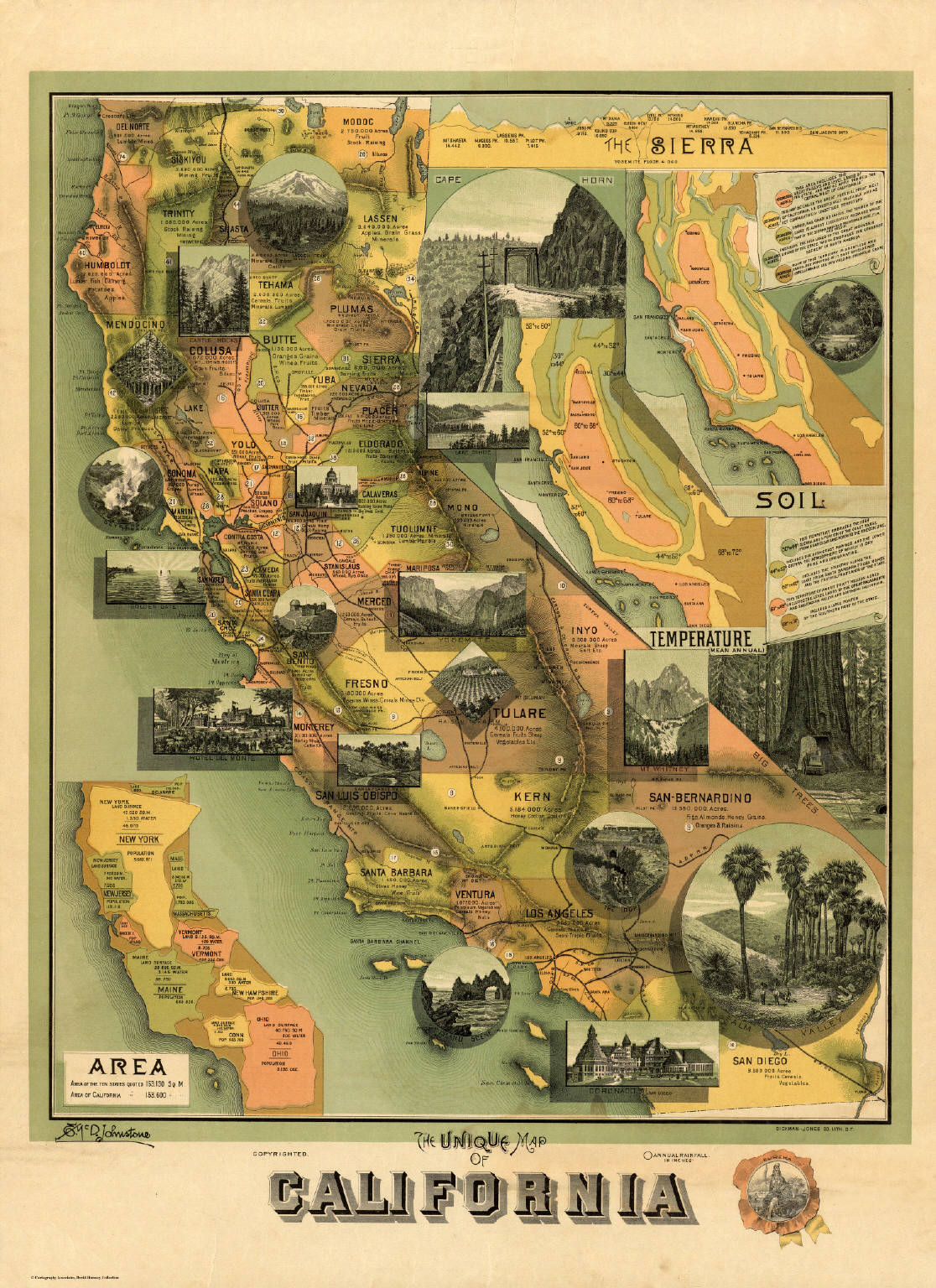
- Multipage CA map: great to discuss primary sources, and how they sometimes weren't accurate (state shapes and sizes).
- Hutchings' CA Scenes: Methods of Mining: discuss environmental impact of mining.
Tools:
- Considerations for selecting Primary Sources: Several points to consider before dropping primary sources in your classroom to make it successful.
- Selecting PS, Pt 1: Knowing your students: Good startup tips.
- Teaching Primary Sources Quarterly: Guides and cautions to consider. Also note the Stripling Model of Inquiry for steps to take.
More Raul Tips
- Library of Congress: On the teacher's page on the website, if you're pulling up an image, choose .jpg unless you want a really high res copy... then choose .tiff.


No comments:
Post a Comment